

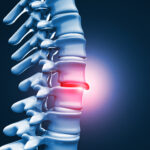
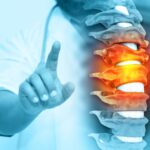




At Maxim Spine, the primary goal of spine surgery is to bring about meaningful improvement in the lives of individuals suffering from spinal conditions. Beyond the physical correction of anatomical issues, the essence of spine surgery lies in the relief of pain and the restoration of functionality. Our spine surgeons aim to alleviate the often debilitating pain associated with conditions such as herniated discs or spinal stenosis, allowing individuals to regain a higher quality of life. Moreover, we seek to prevent the further progression of spinal disorders, contributing to the long-term health and mobility of patients. This transformative process is approached collaboratively, involving patients, families, and a multidisciplinary healthcare team, ensuring that interventions align with individual goals and values. By minimizing disruption through modern, minimally invasive techniques and embracing technological advancements, spine surgery embodies a commitment to holistic well-being, ultimately empowering individuals to embark on a journey toward a healthier, more vibrant life.

Cervical
Anterior Cervical Discectomy and Fusion (ACDF) is a surgical procedure performed on the cervical spine, specifically the neck. This surgery involves an anterior approach, where the surgeon accesses the cervical spine through the front of the neck, avoiding disruption to the muscles in the back.
Thoracic
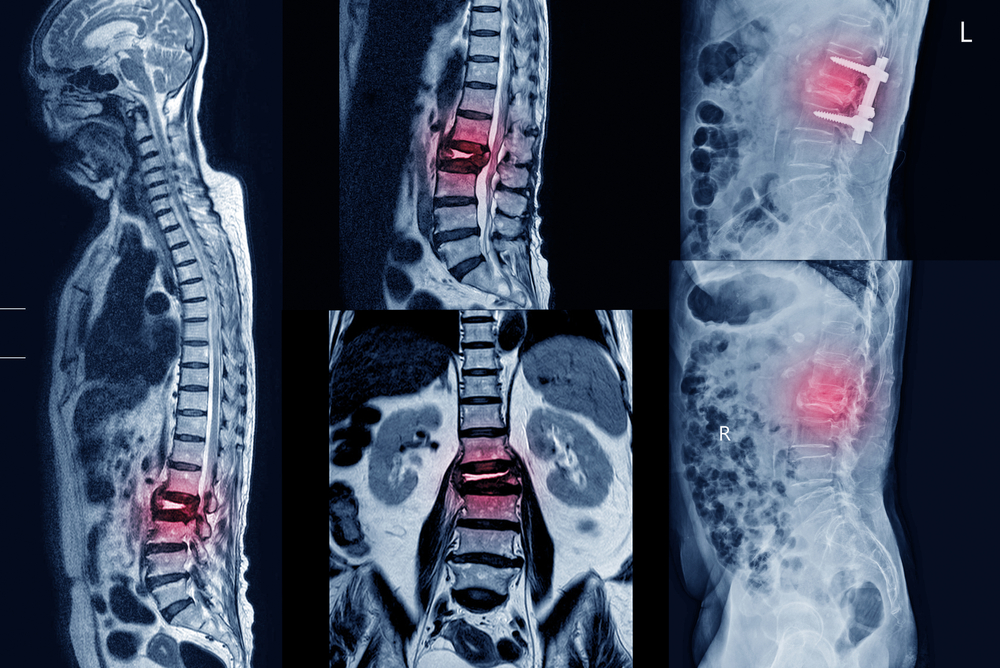
Thoracic fusion is a surgical procedure conducted on the thoracic spine, which is the middle portion of the vertebral column. This procedure is typically performed to address various spinal conditions, such as fractures, deformities, or instability in the thoracic region.
Lumbar
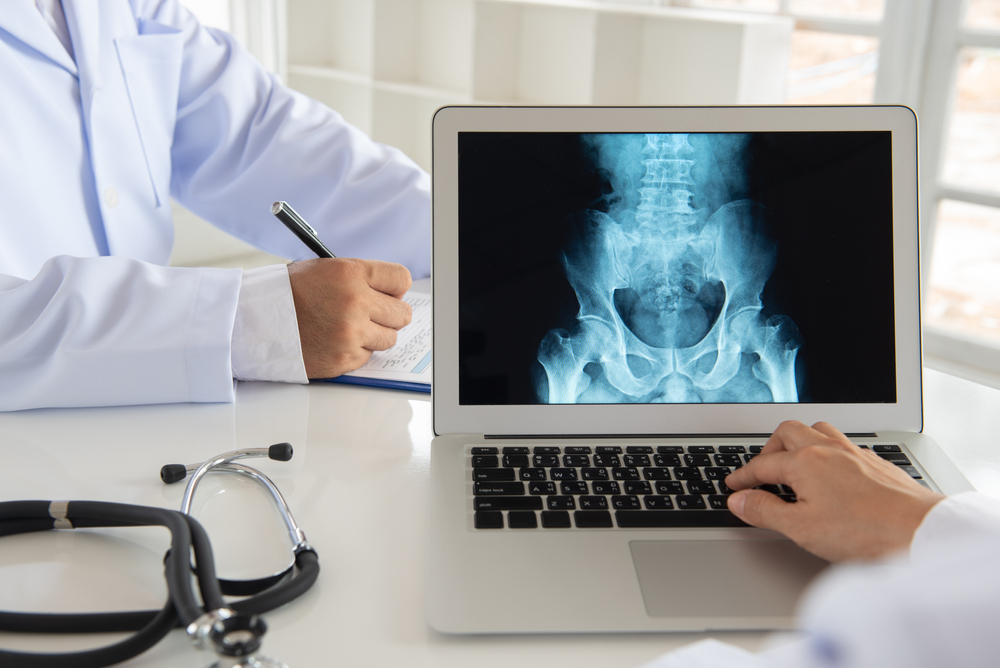
Minimally invasive microdiscectomy is a surgical procedure used to treat herniated discs in the spine. This approach is designed to alleviate symptoms like pain, numbness, or weakness caused by pressure on the spinal nerves. During the procedure, small incisions are made, and specialized instruments, including a microscope, are used for precision.