




Headaches
Headaches are a common and often disruptive condition that can vary in intensity, duration, and cause. They can stem from a variety of factors, and understanding the different types of headaches can be crucial for effective management. Here’s an overview without bullet points:
Types of Headaches:
- Tension Headaches:
- These are the most common type and are often associated with stress, muscle tension, or poor posture. Tension headaches typically cause a constant, dull ache on both sides of the head.
- Migraines:
- Migraines are characterized by intense, throbbing pain, often on one side of the head. They can be accompanied by other symptoms such as nausea, sensitivity to light or sound, and visual disturbances.
- Cluster Headaches:
- Cluster headaches are severe and occur in cyclical patterns or clusters. They are known for causing intense pain around one eye, along with nasal congestion, tearing, or restlessness.
- Sinus Headaches:
- Pain or pressure in the forehead, cheeks, or bridge of the nose may be attributed to sinus headaches. These headaches often result from sinus infections or allergies.
- Cervicogenic Headaches:
- Originating from issues in the neck, cervicogenic headaches cause pain that radiates from the neck to the head. Poor posture or neck injuries can contribute to this type of headache.
- Rebound Headaches:
- Also known as medication-overuse headaches, these can develop from overusing pain medications to treat headaches. Over time, the medication itself can trigger headaches.
Causes and Triggers:
- Stress and Tension: Common contributors to tension headaches.
- Hormonal Changes: Hormonal fluctuations, especially in women, can trigger migraines.
- Dietary Factors: Certain foods, additives, or dehydration may contribute to headaches.
- Environmental Factors: Strong odors, smoke, or changes in weather can trigger headaches.
- Genetics: A family history of migraines or other headache disorders can increase susceptibility.
Management and Treatment:
- Pain Relievers: Over-the-counter medications such as acetaminophen, ibuprofen, or aspirin can help relieve mild to moderate headaches.
- Prescription Medications: For more severe or chronic headaches, prescription medications may be recommended.
- Lifestyle Modifications: Stress management techniques, regular exercise, and maintaining a consistent sleep schedule can help prevent headaches.
- Identifying Triggers: Keeping a headache diary to track potential triggers can aid in prevention.
- Hydration and Nutrition: Ensuring adequate water intake and maintaining a balanced diet can be beneficial.
- Medical Consultation: Seeking medical advice is essential for persistent or severe headaches to determine the underlying cause and appropriate treatment.
It’s crucial to consult with a healthcare professional for a comprehensive evaluation and personalized treatment plan if headaches are frequent, severe, or interfere with daily activities. Understanding the type of headache and its triggers is key to effective management and prevention


Book an appointment
"*" indicates required fields
Procedures related to Headache
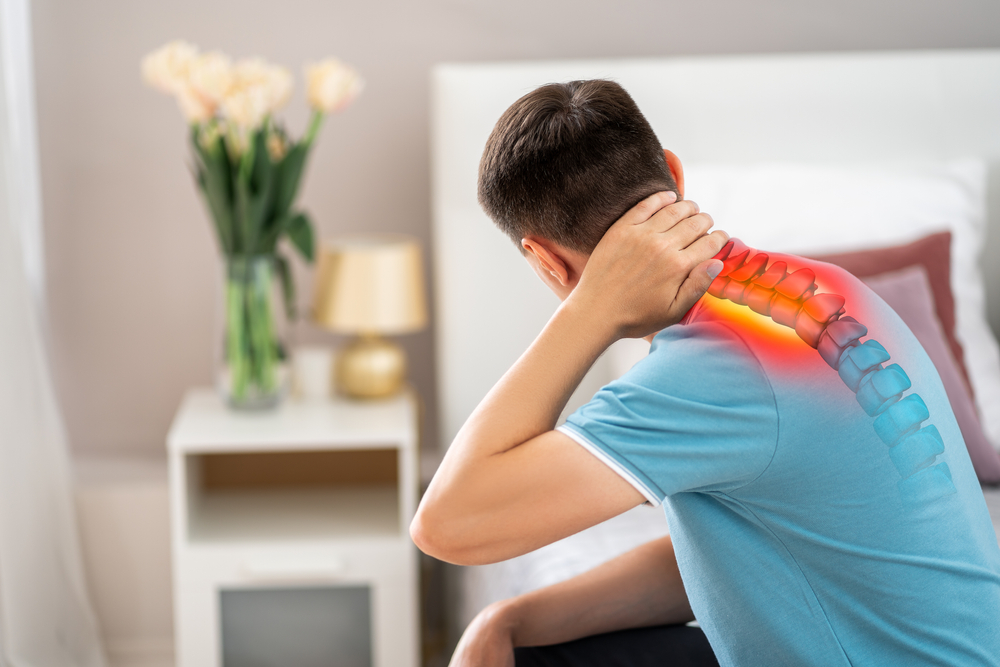
Anterior Cervical Discectomy and Fusion (ACDF)
Anterior Cervical Discectomy and Fusion (ACDF) is a surgical procedure performed on the cervical spine, specifically the neck.
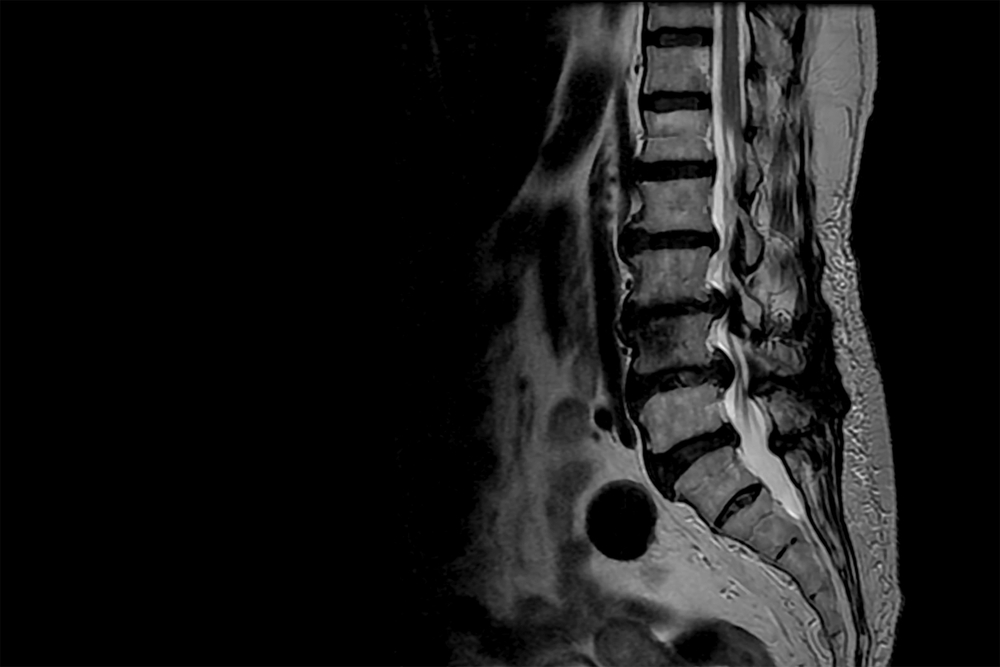
Chiari Decompression
Chiari decompression, also known as Chiari decompression surgery or posterior fossa decompression, is a surgical procedure performed to address Chiari malformation.
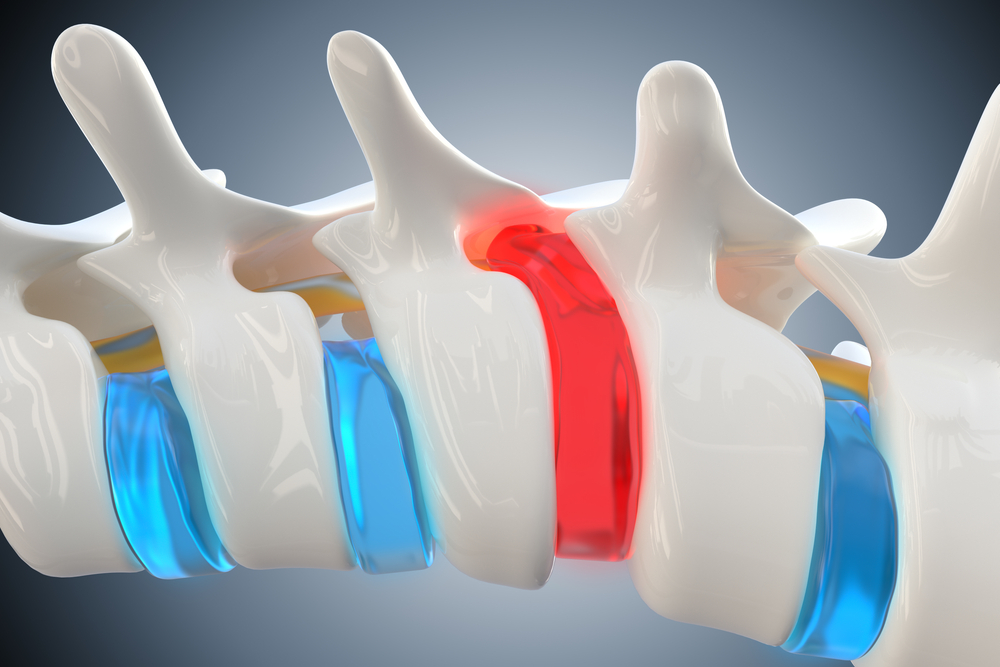
Cervical Laminoplasty
Cervical laminoplasty is a surgical procedure designed to address spinal cord compression in the cervical spine, which is the region located in the nec
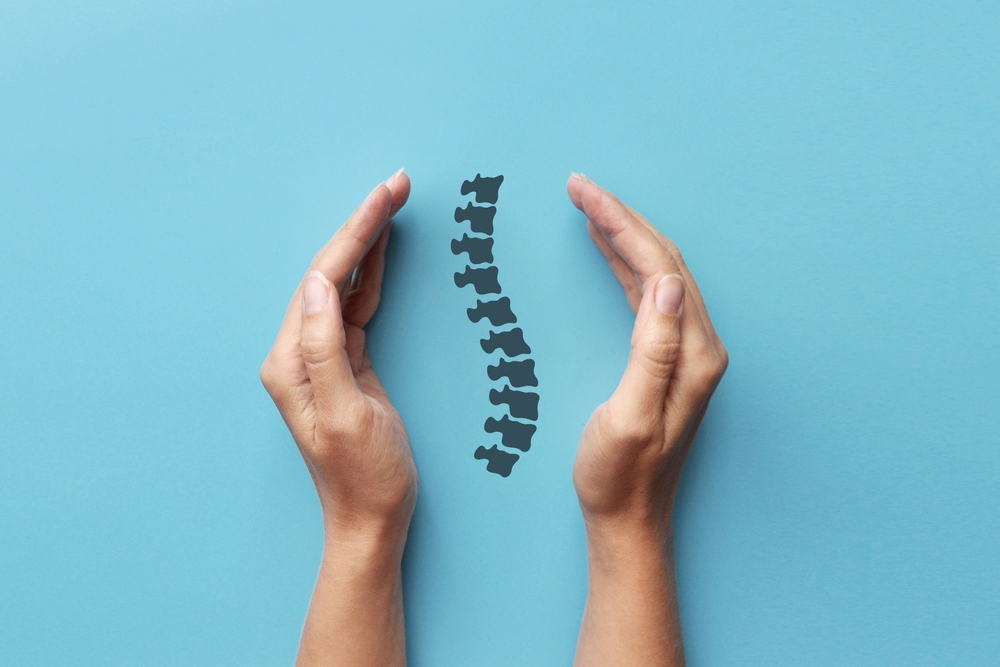
Minimally Invasive Cervical Laminoforaminotomy
Minimally invasive cervical laminoforaminotomy is a surgical procedure designed to address issues of nerve compression in the cervical spine, specifically targeting the foramen, the passageway through which nerve roots exit the spinal cord.

Posterior Cervical Laminectomy/ Fusion
Cervical posterior laminectomy is a surgical procedure performed on the cervical spine, specifically the neck, to address issues related to spinal cord compression or nerve root compression.

Cervical Arthroplasty / Cervical Disc Replacement
Cervical disc replacement is a surgical procedure designed to address cervical disc degeneration, a condition that often leads to pain, stiffness, and reduced mobility in the neck.