



Radiculopathy
Cervical radiculopathy is a condition characterized by compression or irritation of the nerve roots in the cervical spine (neck region). This compression can result in pain, numbness, tingling, or weakness that radiates into the arms. Here’s an overview of cervical radiculopathy:
Causes of Cervical Radiculopathy:
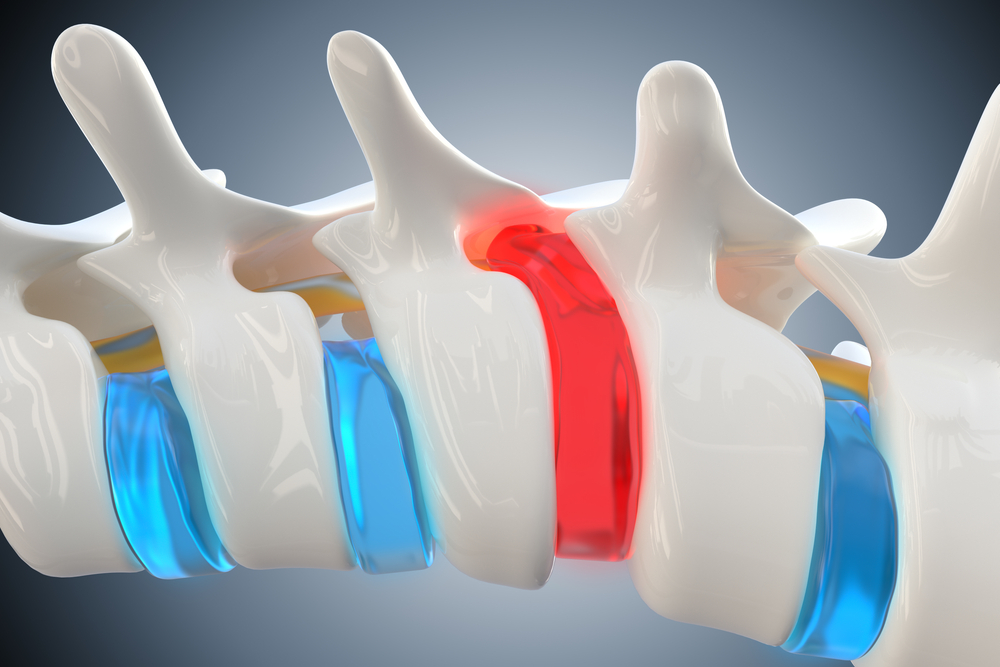
- Herniated Disc:
- When a disc between the vertebrae in the neck ruptures or bulges, it can press on nerve roots.
- Bone Spurs (Osteophytes):
- Over time, the development of bone spurs can narrow the space available for nerve roots.
- Degenerative Disc Disease:
- Wear and tear on the discs can lead to disc degeneration, contributing to nerve compression.
- Spinal Stenosis:
- Narrowing of the spinal canal can occur, impacting nerve roots.
- Injury or Trauma:
- Accidents or injuries to the neck may cause nerve compression.
Symptoms of Cervical Radiculopathy:
- Pain:
- Sharp or shooting pain that radiates from the neck into the shoulder, arm, and sometimes the hand.
- Numbness/Tingling:
- Sensations of numbness or tingling along the nerve pathway.
- Muscle Weakness:
- Weakness in the muscles served by the affected nerve.
- Reduced Reflexes:
- Diminished reflexes, particularly in the affected arm.
- Difficulty with Fine Motor Skills:
- Challenges with tasks that require precise hand and finger movements.
Diagnosis and Evaluation:
- Medical History and Physical Examination:
- A healthcare professional will gather information about symptoms and conduct a physical examination to assess neurological function.
- Imaging Studies:
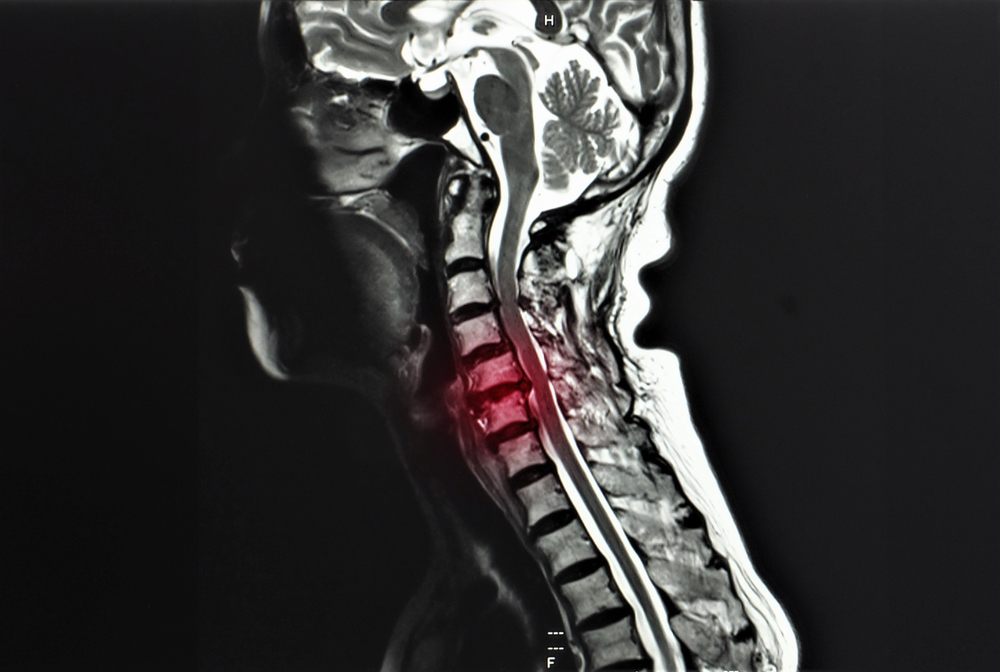
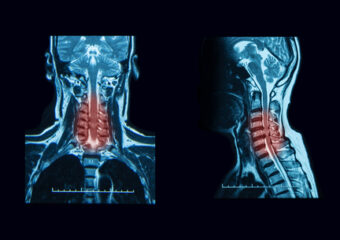
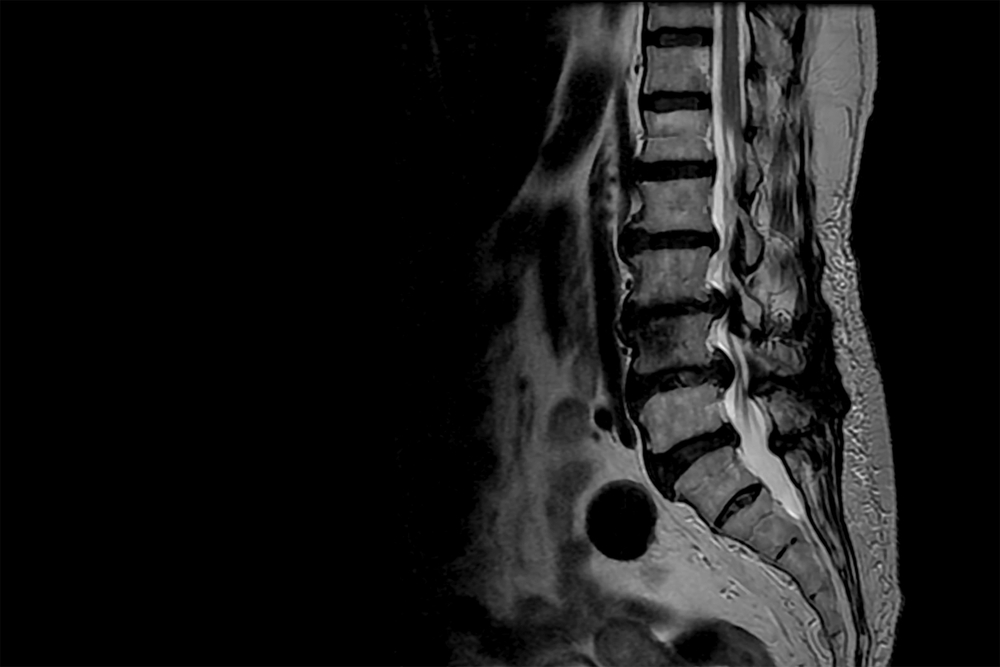
- MRI or CT scans can provide detailed images of the cervical spine, helping to identify the location and extent of nerve compression.
- Electromyography (EMG):
- EMG may be used to evaluate nerve and muscle function.
Treatment Options:
- Conservative Measures:
- Initial treatment may include rest, avoiding activities that exacerbate symptoms, and physical therapy.
- Medications:
- Pain relievers, anti-inflammatories, and muscle relaxants may be prescribed to manage symptoms.
- Physical Therapy:
- Specific exercises can improve strength, flexibility, and overall function, reducing pressure on nerve roots.
- Cervical Traction:
- Traction therapy may be used to gently stretch and relieve pressure on the cervical spine.
- Epidural Steroid Injections:
- In some cases, injections of steroids into the epidural space may help reduce inflammation and provide relief.
- Surgical Intervention:
- For severe cases or when conservative measures are ineffective, surgery may be considered. Procedures such as discectomy or cervical fusion may be performed to alleviate nerve compression.
The choice of treatment depends on the severity of symptoms, the underlying cause, and individual patient factors. It’s crucial to consult with a healthcare professional for an accurate diagnosis and to determine the most appropriate course of action for cervical radiculopathy. Early intervention can help manage symptoms and prevent further nerve damage.

Book an appointment
"*" indicates required fields
Procedures related to Radiculopathy

Anterior Cervical Discectomy and Fusion (ACDF)
Anterior Cervical Discectomy and Fusion (ACDF) is a surgical procedure performed on the cervical spine, specifically the neck.
Chiari Decompression
Chiari decompression, also known as Chiari decompression surgery or posterior fossa decompression, is a surgical procedure performed to address Chiari malformation.
Cervical Laminoplasty
Cervical laminoplasty is a surgical procedure designed to address spinal cord compression in the cervical spine, which is the region located in the nec
Minimally Invasive Cervical Laminoforaminotomy
Minimally invasive cervical laminoforaminotomy is a surgical procedure designed to address issues of nerve compression in the cervical spine, specifically targeting the foramen, the passageway through which nerve roots exit the spinal cord.

Posterior Cervical Laminectomy/ Fusion
Cervical posterior laminectomy is a surgical procedure performed on the cervical spine, specifically the neck, to address issues related to spinal cord compression or nerve root compression.

Cervical Arthroplasty / Cervical Disc Replacement
Cervical disc replacement is a surgical procedure designed to address cervical disc degeneration, a condition that often leads to pain, stiffness, and reduced mobility in the neck.