



Neck Pain/Stiffness
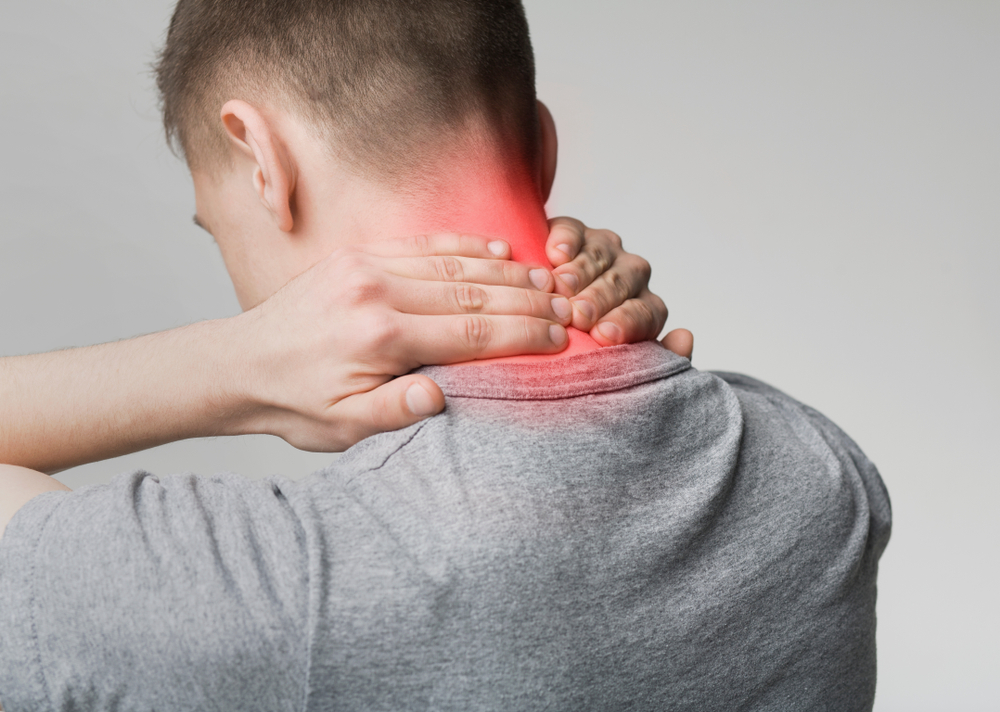
Neck pain and stiffness are common symptoms that many individuals experience at some point in their lives. These symptoms can arise from various causes, ranging from muscle strain to underlying medical conditions. Neck pain and stiffness often manifest as discomfort or soreness in the area between the base of the skull and the top of the shoulders. Individuals may also notice limited range of motion and difficulty turning or tilting the head.
Common Causes:
- Muscle Strain: Overuse of neck muscles, poor posture, or sleeping in an awkward position can lead to muscle strain, resulting in pain and stiffness.
- Poor Ergonomics: Prolonged periods of sitting at a desk with improper ergonomics, such as an unsupportive chair or incorrect monitor height, can contribute to neck discomfort.
- Text Neck: Constantly looking down at smartphones or other devices may strain the neck muscles and contribute to stiffness.
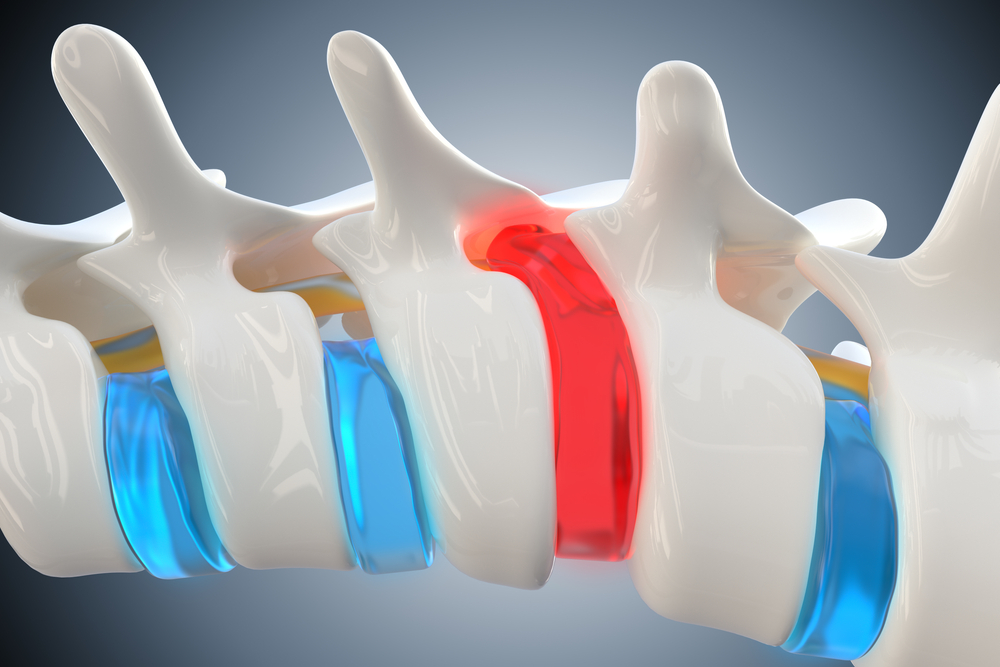
- Degenerative Disc Disease: Wear and tear on the discs between the vertebrae can lead to degeneration, causing pain and stiffness in the neck.
- Cervical Spondylosis: Age-related changes in the discs and joints of the neck may result in stiffness and discomfort.
- Herniated Disc: A disc in the neck may herniate, causing pressure on nerves and resulting in pain that can radiate down the arms.
- Whiplash Injury: Sudden jerking of the head, often due to a car accident, can lead to neck pain and stiffness.
- Arthritis: Inflammation of the joints in the neck, such as osteoarthritis or rheumatoid arthritis, can contribute to pain and stiffness.
Symptoms:
- Pain: Varies from a dull ache to sharp, stabbing pain.
- Stiffness: Difficulty moving the neck, especially after waking up or staying in one position for an extended period.
- Headaches: Neck pain can sometimes be associated with tension headaches.
- Radiating Pain: Discomfort may extend to the shoulders or arms in some cases.
Management and Treatment:
- Rest and Ice/Heat Therapy: Resting the neck and applying ice or heat can help alleviate pain and reduce inflammation.
- Pain Medications: Over-the-counter pain relievers may provide temporary relief.
- Physical Therapy: Targeted exercises and stretches can improve flexibility and strengthen neck muscles.
- Ergonomic Changes: Modifying workstations or daily habits to promote better posture.
- Supportive Pillows: Using pillows that provide proper neck support during sleep.
- Medical Intervention: In more severe cases or when symptoms persist, medical consultation may be necessary for a comprehensive evaluation. This may include imaging tests, medications, or other interventions based on the underlying cause.
It’s essential to consult with a healthcare professional for a thorough evaluation if neck pain and stiffness persist or are accompanied by other concerning symptoms.


Book An Appointment
"*" indicates required fields
Procedures Related To Neck Pain/Stiffness

Anterior Cervical Discectomy and Fusion (ACDF)
Anterior Cervical Discectomy and Fusion (ACDF) is a surgical procedure performed on the cervical spine, specifically the neck.
Chiari Decompression
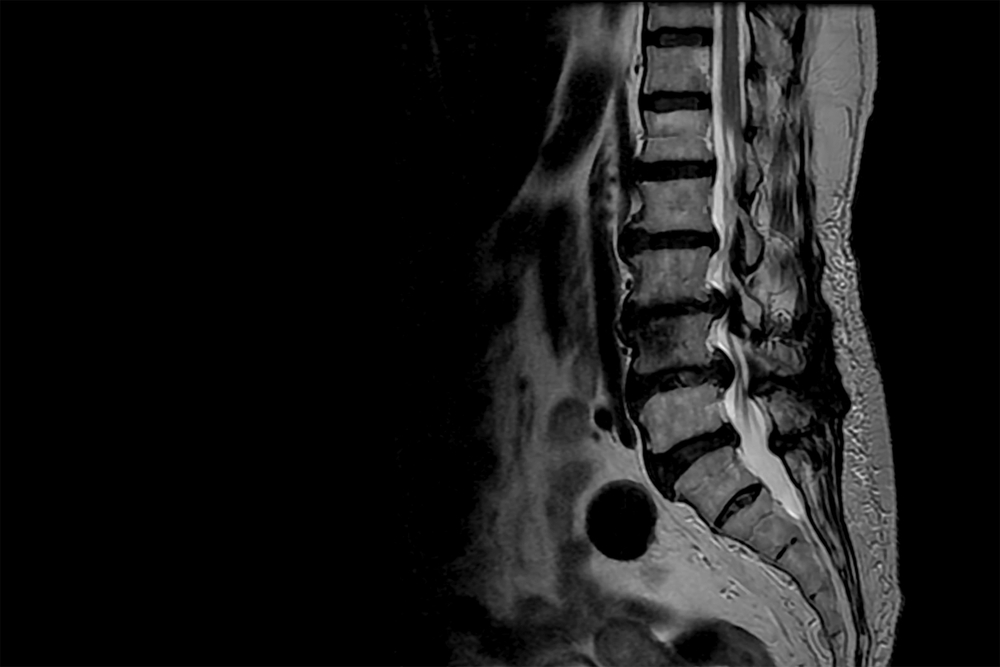
Chiari decompression, also known as Chiari decompression surgery or posterior fossa decompression, is a surgical procedure performed to address Chiari malformation.
Cervical Laminoplasty
Cervical laminoplasty is a surgical procedure designed to address spinal cord compression in the cervical spine, which is the region located in the nec
Minimally Invasive Cervical Laminoforaminotomy
Minimally invasive cervical laminoforaminotomy is a surgical procedure designed to address issues of nerve compression in the cervical spine, specifically targeting the foramen, the passageway through which nerve roots exit the spinal cord.

Posterior Cervical Laminectomy/ Fusion
Cervical posterior laminectomy is a surgical procedure performed on the cervical spine, specifically the neck, to address issues related to spinal cord compression or nerve root compression.

Cervical Arthroplasty / Cervical Disc Replacement
Cervical disc replacement is a surgical procedure designed to address cervical disc degeneration, a condition that often leads to pain, stiffness, and reduced mobility in the neck.