


Causes
Common Causes
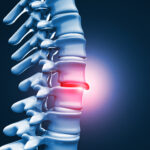
- Herniated or Bulging Discs: Discs pressing on the sciatic nerve
- Bone Spurs: Extra bone growth narrowing the spinal canal
- Spinal Stenosis: Narrowing of the spinal canal that compresses nerves
- Muscle Spasms: Tight muscles in the buttocks or lower back irritating the nerve
- Injury or Trauma: Falls, accidents, or other impacts affecting the lower spine
SYMPTOMS
Symptoms to Watch For
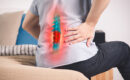
- Pain radiating from the lower back or buttocks down the leg
- Numbness, tingling, or burning sensations along the nerve pathway
- Weakness in the leg or foot
- Increased pain with prolonged sitting, standing, or certain movements
- Difficulty walking or performing normal activities in severe cases
Diagnosis
How It’s Diagnosed
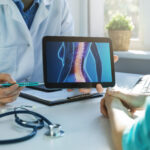
Diagnosis typically begins with a physical exam to assess strength, reflexes, and range of motion. Imaging tests such as X-rays, MRI, or CT scans can identify herniated discs, bone spurs, or other causes of nerve compression. In some cases, nerve studies (EMG) are used to evaluate sciatic nerve function.
Treatment Options
Non‑surgical / Lifestyle Approaches:
- Rest and activity modification to reduce nerve irritation
- Physical therapy to improve strength, flexibility, and posture
- Over-the-counter or prescription medications for pain and inflammation
- Heat or ice therapy for symptom relief
Advanced Treatments:
- Microdiscectomy: Removal of herniated disc material pressing on the nerve
- Laminectomy or Laminotomy: Enlarging the spinal canal to relieve pressure
- Other minimally invasive procedures depending on the cause and location of nerve compression